.
On July 7, the Board of Directors successfully concluded the “Open Science: From Recommendation to Action” course by UNESCO Open Learning. This course, designed to promote the understanding and application of open science, covered various topics that deeply resonated with the board members.
Developing the Concept of Open Science
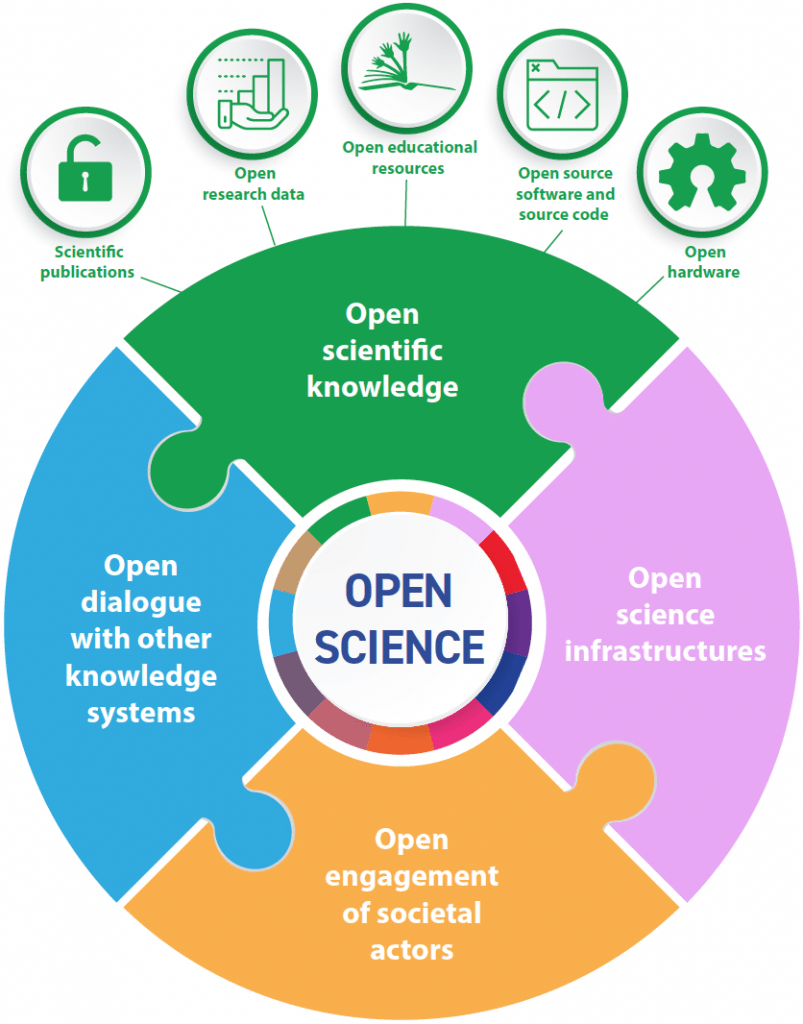
The course began with an introduction to open science and the importance of UNESCO’s recommendations. It emphasized how open science promotes the democratization of knowledge and facilitates international collaboration. UNESCO highlighted the current relevance of these practices and the need to implement policies that favor access to and reuse of scientific knowledge.
Open Access and Open Data
One of the most impactful modules dealt with open access and open data. The discussion focused on how these practices are transforming the scientific landscape, allowing for greater transparency and facilitating the exchange of information between researchers and the general public. The evaluation of open science was also highlighted, addressing new evaluation keys that seek to recognize and reward contributions to open science properly.
International Cooperation and Infrastructure
The course also explored the infrastructure needed to support open science and the importance of international cooperation. Case studies, such as the experience of RedCLARA, illustrated the challenges and benefits of multi-actor collaboration. This module underscored the need for strategic investments to develop platforms that support these global initiatives.
Citizen Science and Knowledge Dialogue
The course addressed citizen science and dialogues with other knowledge systems. These topics highlighted the importance of citizen participation in research and the need to integrate diverse knowledge and perspectives to enrich open science.
Reflections and Thanks
At their July 2024 meeting, the Glosa board of directors expressed their satisfaction with the course, highlighting its relevance and the quality of the content presented. “This learning is relevant to continue implementing and disseminating open science practices in the association’s future projects,” said Ana Inés Barelli. Daniela Sodini noted, “The UNESCO open science course was an enriching experience. It gave me a deep understanding of the importance of open access and open data and how these practices can democratize scientific knowledge. I will undoubtedly apply what I learned in our upcoming projects at GLOSA.” Ana Lucía Olmos Álvarez commented, “The modules on international cooperation and infrastructure for open science gave me new perspectives on strengthening our partnerships and collaborating more effectively globally. I am excited to implement these ideas in our work.” Finally, Gabriela Irrazábal stated, “The quality of the content and the relevance of the topics covered in the course were exceptional. I believe citizen science and dialogues with other knowledge systems are fundamental. These practices are essential to integrating different perspectives, decolonizing science, and enriching our research.” The board members expressed their gratitude to UNESCO and all those involved in creating and executing this course.
 GLOSA
GLOSA 
Leave a comment